Lessons from an Entrepreneurial Journey on Growing a Startup and Securing Funding
Lessons from an Entrepreneurial Journey on Growing a Startup and Securing Funding Starting a business is never easy, but when Ellie set out on her entrepreneurial path, she had no idea that what began as a simple beekeeping project in college would evolve into a fully funded startup. In a recent interview with Intrepid Finance, […]
Lessons from an Entrepreneurial Journey on Growing a Startup and Securing Funding
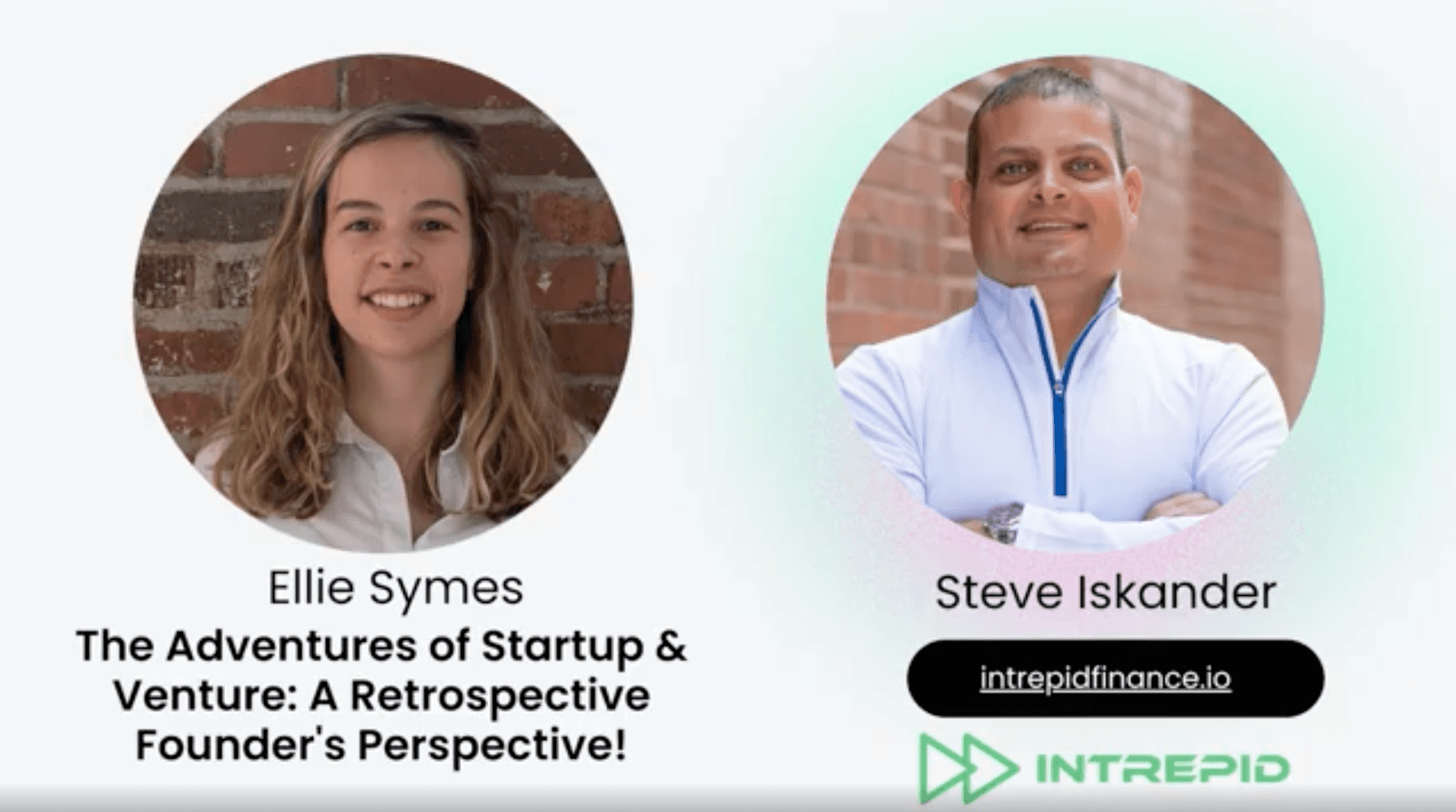
Starting a business is never easy, but when Ellie set out on her entrepreneurial path, she had no idea that what began as a simple beekeeping project in college would evolve into a fully funded startup. In a recent interview with Intrepid Finance, Ellie shared her inspiring journey—from a freshman college student volunteering for a beekeeper to securing $100,000 in equity investment, scaling her business, and eventually exiting the company after nearly a decade.
Her story is not only motivational but also packed with valuable insights for aspiring entrepreneurs, especially those navigating the complex world of venture capital and startup growth. Below, we dive into the key takeaways from Ellie’s experience and the lessons founders can apply to their own businesses.
The Spark of Inspiration: Beekeeping to Business
Ellie’s journey into entrepreneurship started in a surprising place. After googling “environmental volunteering,” she ended up working with a beekeeper over the summer during her freshman year. This experience sparked a love for beekeeping, and she soon realized there was an opportunity to bring this passion to her university. Ellie secured a grant to start a beekeeping project on campus, which not only helped students learn the craft but also showed them how their studies connected to real-world industries.
From this small project, Ellie’s leadership and passion caught the attention of her university board members, who saw the potential for something bigger. It was this early support and encouragement that helped her transition from a student project to a fully-fledged startup.
Securing Early Funding: The Power of Mentorship
Ellie’s story highlights the importance of mentorship and guidance in the early stages of a startup. After presenting her beekeeping club project to university board members, several successful business leaders pulled her aside and offered to help her tackle the larger challenges facing the beekeeping industry, including honey health. With their guidance, Ellie crafted a rough business plan, and just two months later, she won $100,000 in a business plan competition.
This equity investment, which Ellie admits she didn’t fully understand at the time, provided the capital needed to launch her business and refine its model. However, her journey was only beginning, and as she would later discover, securing funding is just the first step on the long road of entrepreneurship.
The Venture Capital Treadmill: Growth at All Costs?
One of the central themes of Ellie’s interview is the venture capital (VC) “treadmill” that many startups face. After securing her initial funding, Ellie quickly found herself in the world of venture capital, where the focus on hyper-growth and revenue generation can often overshadow long-term sustainability and profitability. She realized that the pressure to grow rapidly, in order to remain attractive to investors, didn’t always align with her vision for the company.
Ellie explains that in the early years, it was easier to focus on building the product and getting early market traction. But as the company matured, the pressure to scale fast and meet investors’ growth expectations became more intense. “The treadmill gets faster as you go,” she said, reflecting on how venture-backed startups often prioritize rapid growth over a sustainable business model.
The Importance of Exit Math: Knowing When to Pivot
One of the biggest lessons Ellie learned was understanding the importance of exit math—calculating how much capital you can raise while still providing a good return for your investors. After looking at comparable companies in her industry, she realized that there was a limit to how much they could raise before diminishing the potential exit value for investors. This realization prompted her to rethink her company’s growth strategy and consider alternative funding options that might have allowed for more flexibility and profitability.
Ellie emphasizes the importance of understanding your financials and knowing when to pivot. “It’s critical to run the numbers and consider different funding pathways,” she advises. “I wish I had done this earlier in the process.”
Managing Investor Expectations and Facing Reality
As Ellie’s company grew, managing investor expectations became a central challenge. She recalls the pressure of trying to meet performance metrics while balancing the long-term health of the business. Reflecting on this period, Ellie admits that she didn’t always handle the pressures in the best way and that she could have asked for help more often. She stresses the importance of seeking advice and networking with other founders, especially during difficult times.
One of the most significant decisions Ellie had to make was recognizing when it was time to exit. After years of hard work, a series of challenges—delayed corporate contracts, missed grants, and season-specific sales cycles—forced her to consider whether continuing was responsible. In collaboration with her co-founder and board members, Ellie made the difficult choice to sell the company, prioritizing the well-being of her employees and investors.
Networking with Acquirers: The Key to a Successful Exit
Ellie’s exit was smoother than many because she had spent years building relationships with potential acquirers. “Entrepreneurs should be networking with potential acquirers early, even if you’re not ready to sell yet,” she advises. These relationships helped her negotiate better terms and find a responsible path forward when the time came to sell the business.
Life After the Exit: New Ventures in Climate Solutions
Since exiting her company, Ellie has continued her mission to tackle environmental challenges. Now working as a Program Officer at the McKinney Family Foundation, she is focused on funding and supporting climate solutions in Indiana. Her transition into this role demonstrates her continued passion for using business and innovation to solve pressing global issues.
Final Thoughts: Advice for Founders
Ellie’s story is a testament to the power of perseverance, mentorship, and strategic decision-making. Her advice for founders?
- Seek mentorship early: Surround yourself with experienced mentors who can guide you through critical decisions.
- Understand your funding options: Be mindful of the venture capital treadmill and explore alternative funding sources that align with your business vision.
- Do the math: Know your financials inside and out, and always have a clear exit strategy in mind.
- Network with potential acquirers: Build relationships with potential buyers early on to prepare for a future exit.
- Ask for help: Don’t hesitate to lean on your community during tough times—it can make all the difference.
Ellie’s journey is filled with valuable lessons for any entrepreneur, and her passion for environmental solutions continues to drive her forward. For anyone looking to start or grow a business, her story is a reminder that success comes from balancing ambition with responsibility, and knowing when to take the next step—even if that step is stepping back.
Watch the full interview to hear more about Ellie’s journey, challenges, and insights as she shares her experiences with Intrepid Finance.