Understanding Article 9: What Happens When a Company Fails?
When a company faces financial distress or becomes unable to meet its obligations, it may result in a situation of insolvency or bankruptcy. In the United States, Article 9 of the Uniform Commercial Code (UCC) plays a crucial role in governing what happens when a company fails and how its assets are handled. This blog […]
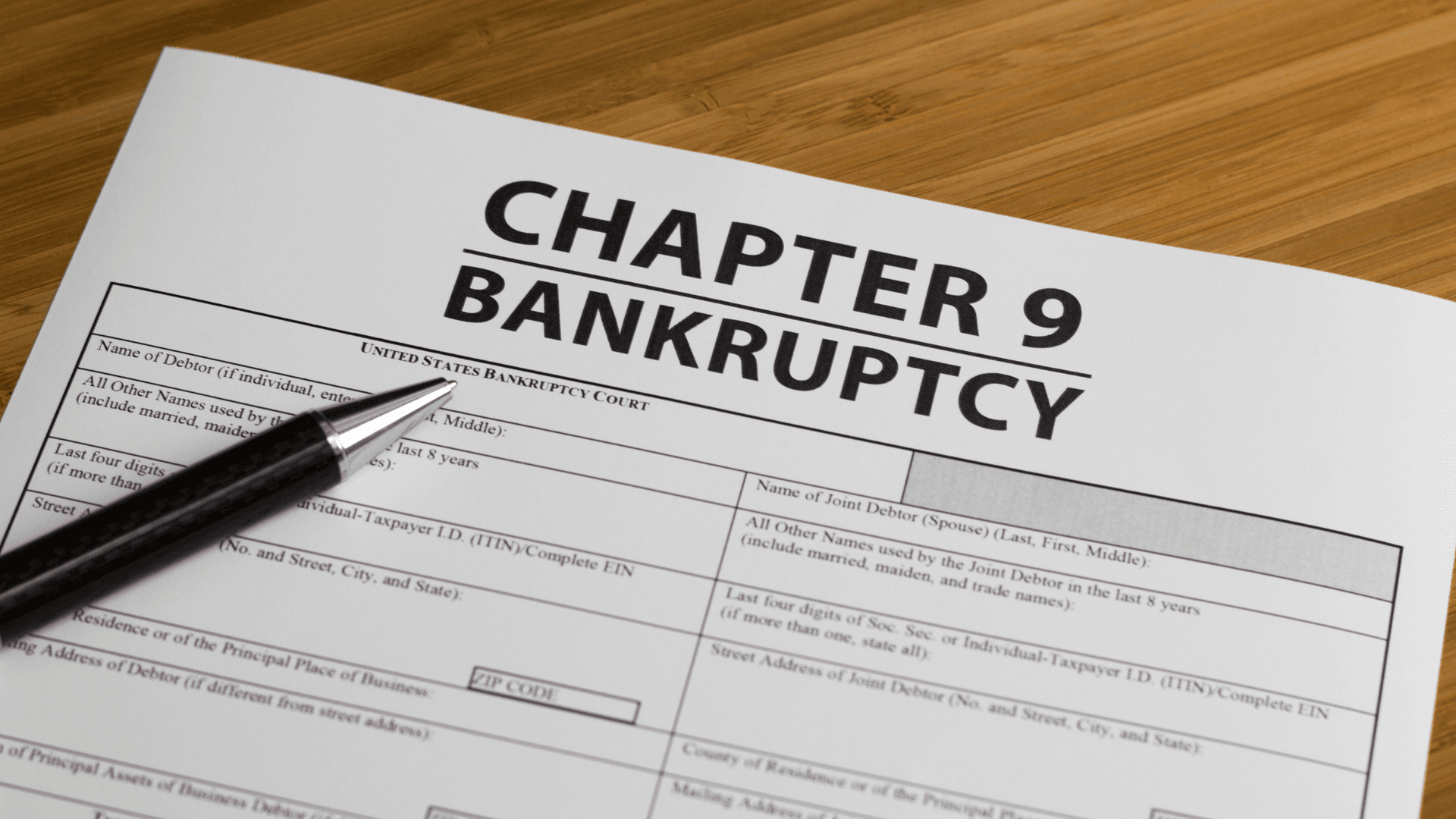
When a company faces financial distress or becomes unable to meet its obligations, it may result in a situation of insolvency or bankruptcy. In the United States, Article 9 of the Uniform Commercial Code (UCC) plays a crucial role in governing what happens when a company fails and how its assets are handled. This blog aims to explain Article 9 in simple terms and shed light on the processes that unfold when a company faces financial difficulties.
What is Article 9?
Article 9 is a section of the Uniform Commercial Code, a set of laws that harmonize commercial transactions across different states in the US. It specifically deals with secured transactions, providing rules for creditors and borrowers when a debtor defaults on a secured obligation.
Secured Transactions and Collateral
In a secured transaction, a borrower (the debtor) obtains a loan or credit from a lender (the creditor) and pledges specific assets as collateral to secure the loan. These assets may include property, inventory, equipment, or accounts receivable. If the debtor defaults on the loan, the creditor has a legal right to take possession of the collateral to recover their investment.
Default and Remedies
When a company fails to meet its financial obligations or violates the terms of the loan agreement, it is considered to be in default. Upon default, Article 9 outlines the rights and remedies available to the creditor to recover their debt.
Notice and Sale of Collateral
Before a creditor can sell the collateral to recoup their losses, Article 9 requires them to provide a notice to the debtor. This notice typically outlines the intention to sell the collateral and provides the debtor with an opportunity to cure the default (by paying the overdue amount) within a specified timeframe. If the debtor does not cure the default, the creditor can proceed with the sale of the collateral.
Public and Private Sales
The sale of collateral can be either public or private. A public sale is typically conducted through an auction, where the highest bidder acquires the collateral. On the other hand, a private sale may occur directly between the creditor and a buyer. The goal of the sale is to obtain a reasonable price for the collateral, ensuring the creditor’s interests are protected.
Deficiency and Surplus
If the amount obtained from the sale of the collateral is insufficient to cover the debtor’s outstanding debt, the remaining amount is known as a deficiency. The creditor may pursue the debtor for this deficiency. Conversely, if the sale exceeds the debt owed, the debtor may be entitled to the surplus.
Perfection of Security Interests
To ensure their claim to the collateral is legally enforceable, creditors must “perfect” their security interests. Perfection is typically achieved by filing a financing statement with the appropriate state authorities, indicating the creditor’s security interest in the debtor’s assets. Proper perfection helps establish priority in case multiple creditors have claims on the same collateral.
Bankruptcy and Article 9
If a company fails and files for bankruptcy, the proceedings are subject to the Bankruptcy Code. Article 9 continues to play a crucial role in bankruptcy cases, especially regarding secured transactions and the treatment of collateral.
Article 9 of the Uniform Commercial Code is a vital piece of legislation that outlines the rights and responsibilities of creditors and debtors in secured transactions when a company fails. By understanding the implications of Article 9, both creditors and debtors can navigate financial difficulties more effectively. In situations of insolvency, the code provides a structured process for selling collateral to recover debts while safeguarding the interests of all parties involved. However, it is essential to seek legal counsel and professional advice when dealing with matters related to Article 9 to ensure compliance with the law and protect one’s interests effectively.